
Technology
Army Requests Vendors to ‘Unlock’ Their Own Systems

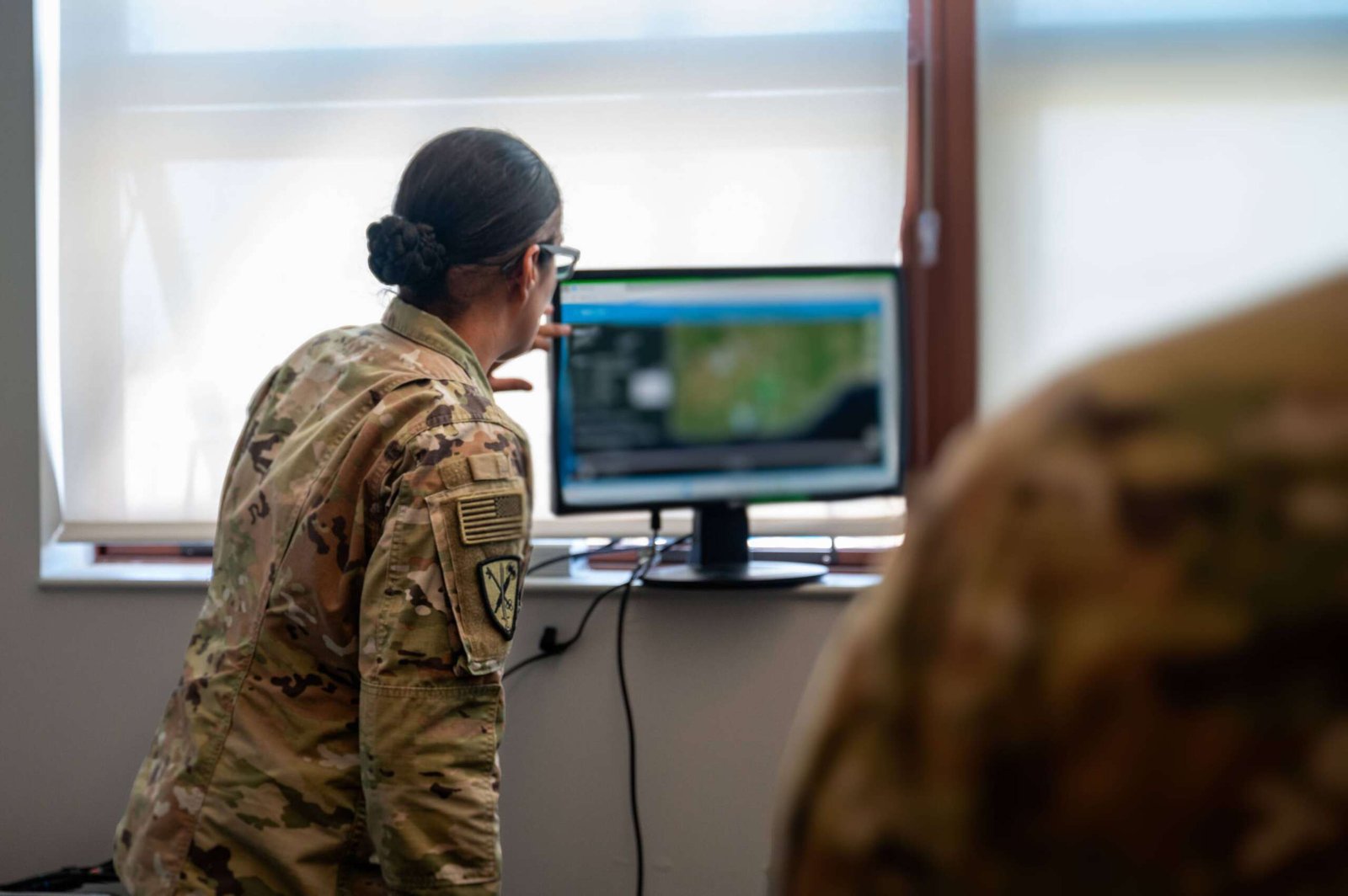
Revolutionizing Military Technology Integration
For years, Army officials grappled with a significant challenge: connecting various technological components seamlessly. Soldiers often found themselves acting as their own integrators once deployed, leading to inefficiencies and operational hurdles. Recognizing the need for change, the Army has embarked on an innovative initiative dubbed “Operation Jailbreak,” aimed at transforming how technology systems interact and share data in combat scenarios.
The Need for Integration
The complexity of military operations has increased, with diverse systems required to work in concert on the battlefield. Commanders and soldiers have lamented the cumbersome nature of navigating multiple screens and systems simultaneously. This scattered approach often demands that several soldiers operate individual screens to manage complex operations, such as drone swarming. The Army’s response has been proactive, pushing toward a future where new systems are designed for interoperability through well-defined interfaces.
Launching Operation Jailbreak
As part of Operation Jailbreak, the Army is urging technology vendors to “jailbreak” their systems. This term refers to breaking away from traditional constraints to foster open interfaces. Bryan Driscoll, the Army Secretary, emphasized the potential for revolutionary change within the military technology sphere, stating, “We can do it differently than Ukraine, we can do it differently than Israel.” This drive for innovation has already garnered the participation of major defense industry players, who eagerly committed to supporting the Army’s endeavor.
Around 600 representatives from 50 companies recently convened at Fort Carson, Colorado, for the first of several integration “sprints.” This collaborative environment aims to create a “data lake” that streamlines operations and enhances decision-making capabilities with advanced software and AI solutions.
Simplifying and Modernizing Data Flows
The overarching goal of Jailbreak is to simplify and modernize data sharing systems. Alex Miller, the Army’s Chief Technology Officer, noted that the initiative boasts a dual focus: encouraging vendors to build new interfaces while also documenting existing ones. This modern approach contrasts sharply with past requirements—characterized by outdated and excessively detailed documentation—leading to a more fluid integration process.
The Army’s initiative does not intend to stifle corporate growth; rather, it aims to maintain a balance allowing vendors to innovate while still providing necessary documentation for integration.
Establishing an API Marketplace
A pivotal aspect of this transformation is the establishment of the Defense Department’s first-ever marketplace for Application Programming Interfaces (APIs). This innovative marketplace will allow for standardized documentation of interfaces, promoting collaboration not only within the Army but also among allied forces and other defense vendors. By creating configurations that have never been feasible before, the Army encourages a competitive environment among engineers while ensuring robust security and operational integrity.
Embracing Modern Practices
The interface approach embraced by the Army reflects practices already prevalent in the broader technology industry. However, the military has historically resisted such methods in its acquisition programs, often insisting on stringent interfacing guidelines that hampered efficiency. Miller pointed out that the previous requirement for data access via outdated serial interfaces severely restricted technological advancements.
To counter this, vendors are now allowed to build interfaces customized for their systems, rather than adhering strictly to antiquated protocols. This paradigm shift fosters an environment that sparks innovation and expedites the integration process across various military platforms.
Immediate Plans and Future Directions
Currently, the jailbreak initiative is slated to conclude on June 6, with intentions to implement newly documented interfaces into real-world applications within 30 days following the sprint. Early results are promising, with updates already being communicated to Central Command and improvements made to command and control functionalities, integrating essential systems for unmanned vehicle management.
Army leadership is not merely focused on short-term successes; they are strategizing future sprints, where further collaboration with joint forces and international partners will be key. The Army is reimagining its capabilities, striving to create a robust system where technology works as one cohesive unit, rather than a disconnected assortment of different platforms.
In this era of rapid technological advancement, the Army is committed to pushing forward, ensuring that its operational capabilities evolve to meet modern demands effectively.
Citrix Acquires Numecent: A Game-Changer in Application Delivery
Citrix has recently announced the completion of its acquisition of Numecent, a notable player in enterprise application delivery and container management. This strategic move is poised to significantly enhance Citrix’s offerings in the cloud software arena, particularly in the realm of Desktop as a Service (DaaS). By incorporating Numecent’s innovative solutions, Citrix aims to simplify cloud-based application delivery across Windows environments, alleviating common pain points associated with traditional app management.
Enhanced DaaS Capabilities
With the acquisition of Numecent, Citrix boosts its DaaS capabilities, which are integral to modern enterprise operations. The goal is to streamline application management while cutting costs related to complex traditional app packaging and image management. As organizations increasingly migrate to cloud solutions, having robust DaaS capabilities is becoming essential to ensure seamless application delivery.
Numecent’s Innovative Solutions
Numecent brings to the table its cloud-based technologies, notably Cloudpaging and Cloudpager. These tools revolutionize how applications are delivered and managed across both physical and virtual Windows environments.
Cloudpaging
At the heart of Numecent’s offering is Cloudpaging, a patented technology that packages Windows applications into isolated containers. This allows applications to be streamed on-demand to Windows endpoints, eliminating the need for traditional installation processes or modifications to the base image. This on-demand approach significantly reduces the administrative burden on IT teams, allowing them to focus on more critical tasks.
Cloudpager
Complementing Cloudpaging, Cloudpager serves as a cloud management console enabling IT administrators to manage app assignments, push updates, roll back releases, and track usage metrics across various Windows endpoints. This streamlining of application management tasks can ultimately free up valuable time for IT professionals, enabling them to focus more on strategic initiatives.
Addressing Enterprise Challenges
Citrix recognizes that managing a Windows environment can be fraught with challenges, including bloated desktop images and application conflicts. Shawn Bass, Senior Vice President at Citrix, emphasized that application management has long been a headache for enterprise customers. Numecent’s solutions provide an elegant resolution to these issues, making it easier for IT teams to maintain and manage their software environments.
Benefits for Citrix Customers
The acquisition promises numerous enhancements for Citrix’s existing user base. By integrating Cloudpaging and Cloudpager, Citrix aims to deliver more efficient and effective application management solutions. Notable benefits include:
-
Reduced Desktop Management Costs: By isolating applications from the desktop image, organizations can minimize the number and size of images they need to maintain, driving down management costs.
-
Faster Update Cycles: The technology allows organizations to shorten application update cycles, facilitating rapid deployment of new features and security patches.
-
Application Compatibility: Legacy and modern applications can coexist without conflict, reducing the troubleshooting burden on IT teams.
-
Resilience and Recovery: In cases of ransomware attacks or site failures, Citrix users can quickly restore applications from the cloud, ensuring minimal downtime.
-
Unified Management Console: IT administrators can manage applications across physical and virtual environments from a single console, improving visibility into software usage and licensing.
Integration and Support Moving Forward
Looking ahead, Citrix plans to further integrate Numecent’s technologies into its platform while ensuring support for existing physical Windows desktops and laptops that operate outside Citrix DaaS environments. This commitment to supporting current Numecent customers will be crucial as Citrix continues to enhance its service offerings.
Arthur Hitomi, CEO of Numecent, remarked that joining forces with Citrix would accelerate their mission to strengthen application resilience across enterprises. By combining their expertise, the goal is to deliver app-centric solutions capable of thriving in complex, high-scale environments.
The financial terms of this acquisition haven’t been disclosed, but the implications are clear: Citrix is preparing to redefine application management in the enterprise landscape, fostering a more agile and responsive IT environment.

New York City Schools Enact Strict Technology Policy
In an unprecedented move, nearly 600,000 public school students in New York City will soon face stringent restrictions on the use of artificial intelligence (AI) in the classroom. This policy, set to be unveiled by Mayor Zohran Mamdani and Schools Chancellor Kamar Samuels, aims to address growing concerns about the implications of technology in education as the new school year approaches.
Restrictions on AI for Younger Students
Under the new policy, generative AI tools—including chatbots, AI tutors, and instructional programs—will be completely prohibited for all students up to and including eighth grade. High school students will also face limitations, with access granted only under “restricted” conditions. This initiative marks a significant departure from policies in other school systems, positioning New York City as a leader in limiting AI’s role in early education.
Screen Time Limits for Young Learners
In addition to banning AI tools, officials are implementing strict limits on screen time for younger students. Children in preschool through second grade will not be allowed individual learning devices during class, while students in third to fifth grades will face a daily maximum of 30 minutes. Middle schoolers won’t be able to use devices for more than 45 minutes each day. This decision reflects a broader concern about the potential negative impacts of excessive screen exposure on children’s development.
Context and Rationale Behind the Policy
As the largest school system in the nation approaches the start of the school year on September 10, the announcement signifies a dramatic shift in educational technology policy. City leaders have been under pressure from parents, educators, and lawmakers who have voiced apprehensions about the integration of AI in learning environments.
Teacher Use of AI: A Different Story
While the restrictions are severe for students, the policy allows teachers to utilize approved AI tools for specific administrative and instructional purposes. These include lesson planning and transforming materials for diverse learning needs. However, the use of AI in grading, monitoring student behavior, counseling during crises, and developing individualized education plans remains strictly off-limits.
Voices of Concern: Parents and Educators
The push for this restrictive policy has been fueled by escalating anxieties among parents. Advocacy groups have called for a moratorium on AI use in schools, citing the need for safeguards to protect students from potentially harmful consequences. UFT President Michael Mulgrew has noted that many parents fear the unknowns associated with AI, emphasizing their protective instincts toward their children.
Mulgrew described AI as “a very dangerous thing,” urging schools to avoid implementing new technologies that haven’t been thoroughly vetted. This apprehension highlights the ongoing conversation about ensuring educational tools genuinely enhance learning rather than hinder it.
Critiques of AI in Education
Supporters of the restrictions argue that many AI-driven educational programs fail to provide substantial academic value. Critics contend that these resources often resemble video games, inadvertently encouraging students to avoid traditional, critical thinking methods. This viewpoint echoes prior concerns that led to New York City’s cellphone ban, which aimed to diminish distractions and enhance student engagement.
The Mayor’s Perspective
Mayor Mamdani asserted that the tech industry may promote AI in early education as both inevitable and essential. However, he and other officials are taking a more cautious approach, pushing back against the narrative that integrating AI into early education is a must-have.
Unveiling of the Policy
The formal announcement of these significant changes is scheduled for 10:30 a.m. at the Brooklyn STEAM Center in the Brooklyn Navy Yard. This event promises to set the stage for New York City’s educational landscape as it grapples with the balance of technological advancements and children’s developmental needs.

Cybersecurity Information Sharing Act: A Continuing Debate
In the complex landscape of cybersecurity, legislative measures like the Cybersecurity Information Sharing Act (CISA) of 2015 hold significant weight. Currently, Congress faces heightened urgency regarding the reauthorization of CISA, as concerns grow over cyber threats to critical infrastructure.
A Temporary Solution
Recently, Congress opted for a temporary solution by passing a continuing resolution that extends CISA 2015 through the upcoming stopgap funding period into early December. The Senate has already approved this measure, which now awaits President Donald Trump’s signature. However, the frequent short-term extensions have only intensified calls from industry leaders for a more permanent resolution.
Growing Concerns Amid Cyber Attacks
The climate of cybersecurity is shifting rapidly, fueled by advancements in artificial intelligence and a surge in cyber incidents targeting essential services such as water and wastewater systems. The urgency for a long-term reauthorization is palpable, as recent attacks have highlighted vulnerabilities that were previously underestimated.
The Role of CISA 2015
CISA is designed to provide essential privacy and liability protections, encouraging companies to share critical data about cyber threats and vulnerabilities with government agencies and each other. This collaborative framework is vital for identifying and mitigating widespread cyber threats effectively. Despite its importance, CISA has experienced lapses; it briefly expired during last fall’s government shutdown and faced uncertainties earlier this year.
Calls for a Robust Solution
Industry groups are increasingly vocal about the need for comprehensive reauthorization. Leaders from the Operational Technology Cybersecurity Coalition (OTCC) have pressured lawmakers, emphasizing that CISA’s reauthorization is crucial for preventing large-scale cyber campaigns. Tatyana Bolton, OTCC Executive Director, pointed out that the data shared under CISA allows for timely warnings to potential victims before attacks occur.
Bolton further stressed the importance of moving beyond temporary fixes, saying, “We can no longer keep doing minor extensions of CISA 2015. We must have long-term authority to operationalize actionable, timely, and relevant information.”
Legislators’ Concerns
Despite industry pressures, not all lawmakers are on board with a straightforward reauthorization. Senate Homeland Security and Governmental Affairs Committee Chairman Rand Paul (R-Ky.) has emerged as a significant roadblock. He has indicated that any reauthorization must address free speech concerns, introducing an additional layer of complexity to the negotiations.
Industry Perspectives
Industry associations have echoed the OTCC’s sentiments. In a letter advocating for a continued extension, they highlighted the necessity of government-industry collaboration to tackle evolving cybersecurity risks, particularly those associated with AI systems. The recent launch of the Treasury Department’s AI cybersecurity clearinghouse, “Gold Eagle,” depends heavily on the protections offered by CISA 2015.
The associations warned that a lapse in CISA would undermine not just ongoing information-sharing practices but also the foundational efforts of the Gold Eagle Initiative, which aims to expedite the detection and remediation of vulnerabilities in collaboration with key stakeholders.
Extending Cybersecurity Frameworks
In addition to CISA 2015, the recent stopgap funding bill also extends other critical cybersecurity measures, including the Federal Cybersecurity Enhancement Act and the Technology Modernization Fund, providing a temporary safety net as discussions continue.
The challenges surrounding CISA 2015 underscore the delicate balance lawmakers must strike between cybersecurity interests and broader legislative concerns. As debates continue, the focus remains on finding a sustainable path forward that will adequately address the growing array of cyber threats facing the nation.

? TOP 5: ¡LOS PEQUEÑOS PECES DE AGUA FRÍA Que Deberías Tener en Tu Acuario!?? #aquarium #top5
![Funny Chinchilla ?Funny and Cute Chinchilla (Full) [Funny and Cute Pets]](https://wp.fifu.app/jacob.doptortech.com/aHR0cHM6Ly9pLnl0aW1nLmNvbS92aS9UbmE2VERkazJRby9tYXhyZXNkZWZhdWx0LmpwZw/5ce415c80284/funny-chinchilla-%f0%9f%90%adfunny-and-cute-chinchilla-full-funny-and-cute-pets.webp?w=80&h=80&c=1&p=15314 "Funny Chinchilla ?Funny and Cute Chinchilla (Full) [Funny and Cute Pets]")
Funny Chinchilla ?Funny and Cute Chinchilla (Full) [Funny and Cute Pets]

Ep 38: The Wiener Dog HEIST Movie!

Are CHIHUAHUAS the FUNNIEST DOGS? – Funny CHIHUAHUA DOG videos that will make you LAUGH LIKE HELL

7 Orca Encounters That’ll Brighten Your Day

“No, you’re not my daddy”?Funny Baby Reactions To Dads Shaving Beards ??

Funny Pitbull Dog Compilation NEW

Rat Murder Case | CID Puppykuttan Webseries Malayalam Comedy EP 32 | Puppy’s Short Film

Funny Cats and Cute Kittens Playing Compilation for laugh !

Celebrity Endorsement Deal, For Your Store, Product or Event Celebrity Endorsement Deal

Tyler Jaggers: Coast Guard Rescue Swimmer Passes Away Days After Mission Incident; Fiancée Honors His Memory

2026 NCAA Softball Tournament: Women’s College World Series Bracket, Schedule, and Scores

2026 NCAA Softball Tournament: Women’s College World Series Bracket, Schedule, and Scores

feeding carrot beans and radish to the hungry monkey

Who Is Really Voting in These Polls? The Shocking Truth Behind America’s Approval Numbers

Blueprint for a “Tax-Free America” That Actually Works

MS NOW Adjusts Schedule, Shifting Stephanie Ruhle and Alicia Menendez to Daytime Slots

Seattle Homicide Update: Suspect Still At Large After Stabbing Death of Transgender University of Washington Student in Laundry Room

The Transition of ‘Somebody Feed Phil’ to YouTube

Police Issue Warrant for Bar Patron Alleged to Have Assaulted Multiple Individuals
? TOP 5: ¡LOS PEQUEÑOS PECES DE AGUA FRÍA Que Deberías Tener en Tu Acuario!?? #aquarium #top5
Funny Chinchilla ?Funny and Cute Chinchilla (Full) [Funny and Cute Pets]
Ep 38: The Wiener Dog HEIST Movie!
Are CHIHUAHUAS the FUNNIEST DOGS? – Funny CHIHUAHUA DOG videos that will make you LAUGH LIKE HELL
7 Orca Encounters That’ll Brighten Your Day
“No, you’re not my daddy”?Funny Baby Reactions To Dads Shaving Beards ??
Funny Pitbull Dog Compilation NEW
Rat Murder Case | CID Puppykuttan Webseries Malayalam Comedy EP 32 | Puppy’s Short Film
Funny Cats and Cute Kittens Playing Compilation for laugh !
Celebrity Endorsement Deal, For Your Store, Product or Event Celebrity Endorsement Deal
-

 Comedy2 weeks ago
The funniest and most hilarious ANIMAL videos #1 – Funny animal compilation – Watch & laugh!
-

 Comedy6 days ago
Emmanuel Don’t Do It – Emu Goes TikTok Viral for Messing With Caretaker’s Phone
-

 Celebrity clips2 weeks ago
Dogs Set House on FIRE while Filming an OLYMPIC Tiktok!
-

 Celebrity clips2 weeks ago
Best Talking Dog Videos (January 2023)
-

 Comedy7 days ago
Goldendoodle — Adorable And Hilarious Videos And Tik Toks Compilation
-

 Comedy1 week ago
? Funny and Cute Cockapoo ? Dogs and Puppies Tiktok Compilation
-

 Comedy2 weeks ago
Funny Hamster Compilation
-

 Comedy2 weeks ago
Best and funniest squirrel & chipmunk videos – Funny and cute animal compilation
